
The Perfect Campsite
September 2026 · Campsites · The Story Behind the Ganesha Name · Kent Survival
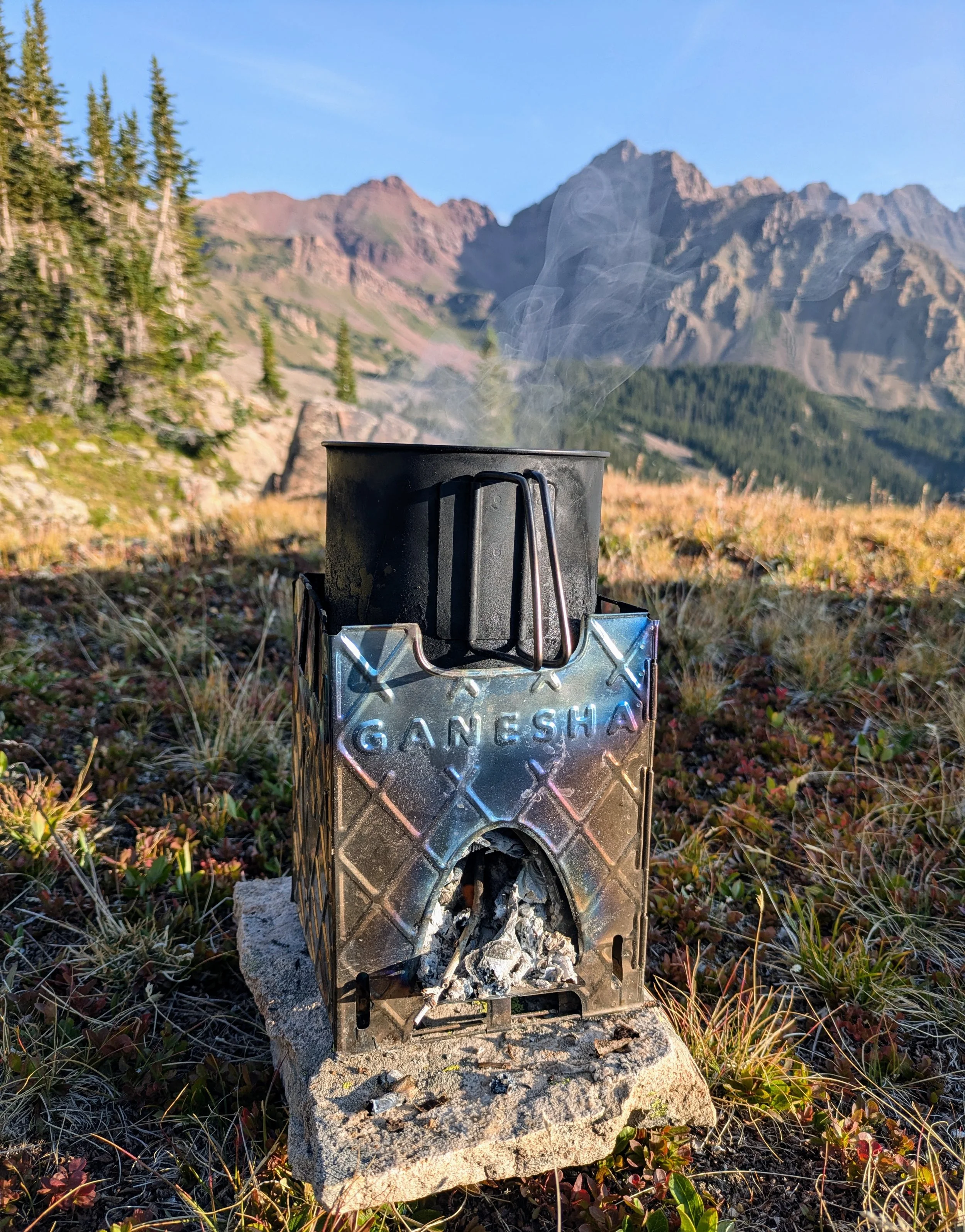
A near-perfect campsite. There’s a small stream about 100 feet away, the views are stupendous, and there are no bugs.
I’ve camped in hundreds, maybe thousands of places. Were any of them perfect? Time on the trail gives you time to think about these questions, even if there’s no perfect answer. That said, I think I can name some of the key elements:
Privacy. It’s nice to feel like you are the only person out there in the peace and quiet.
A great view. I am lucky enough to live in the mountains, so I want to see them, dangit! It’s incredible to watch the light on the peaks change, and see the stars wheel overhead.
A small stream. The soft sound of running water is incredible, and it’s nice to not have to haul water.
Trees nearby, or even a big one overhead (on a slope, with a view of course). The weather does often turn, and trees can provide some protection. Plus they provide fuel for my Ganesha stove.
There are a few other things to consider, like bugs. If the mosquitos or gnats are bad, a breezy ridgetop is going to be better. Heat matters too. I’ll often stop in the shade (a temporary camp, if you will) until the day starts to cool. Then I’ll carry on and see if I can find the most-perfect spot before dark.
What do you think? Did I miss some key elements? How would you define a perfect campsite?
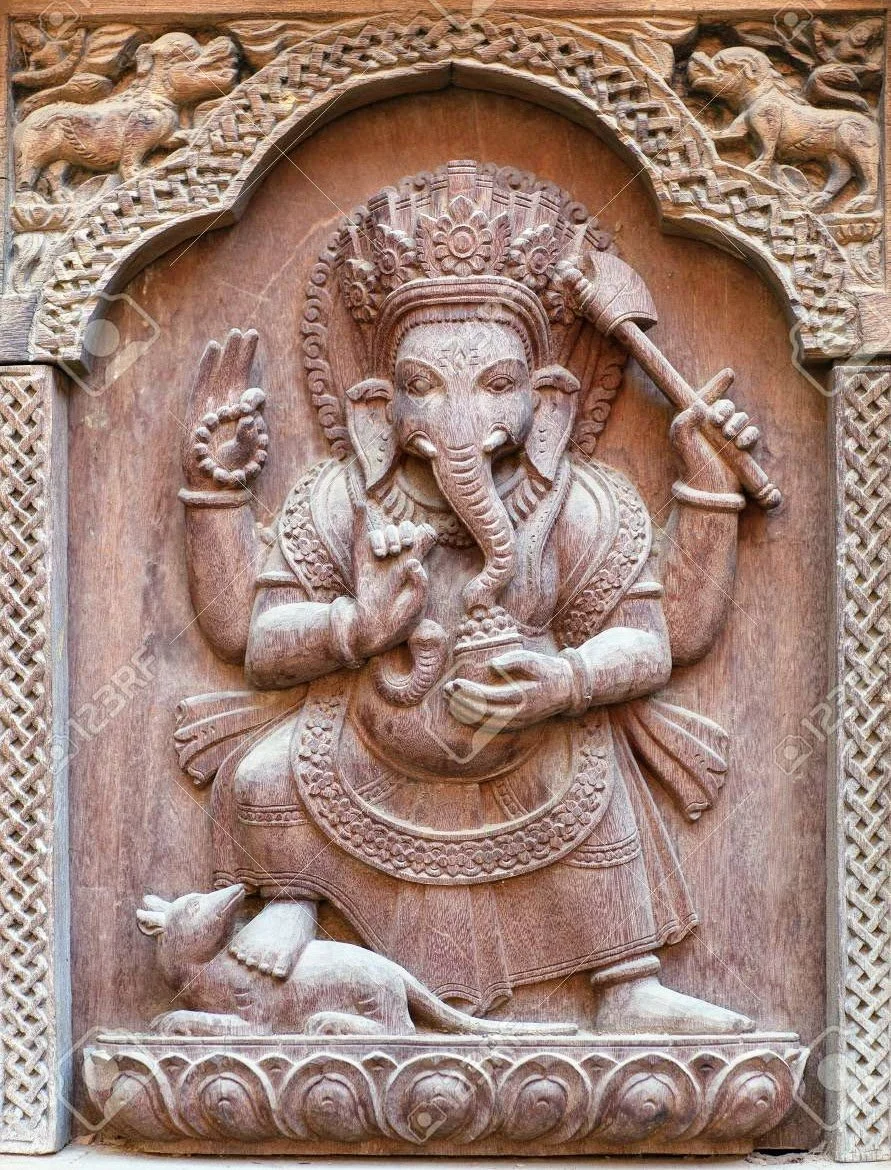
Ganesha carved into a door in Nepal. The bowl he’s holding is full of candies, since he’s got a wicked sweet tooth.
The Story Behind the Name “Ganesha”
It’s been called a “silly name” that customers would have trouble remembering. So what gives? Well, the Ganesha Cookstove Project is a humanitarian organization with the mission of providing clean-burning wood stoves to villagers in Nepal and India. And one of the most recognizable names in that part of the world is Ganesha, the elephant-headed Hindu god of welcome. Throughout South Asia, you’ll see a Ganesha figure on almost every door, and prominently displayed in every public space. For those populations, no word is more memorable than “Ganesha.”
Selling stoves to Westerners is one of the ways we support the Project - all profits go towards stoves for Nepali and Indian villagers.
Influencer Spotlight: Andy Davidson of Kent Survival
Can you make a living off slow-paced, long videos from the woods of England? Andy Davidson certainly has. With nearly a million subscribers on YouTube and weekly hour-long videos, he’s found a way to provide an alternative to modern do-it-quick frenzy. Andy was kind enough to review the Ganesha stove back when it was still a Kickstarter project, and used it in three of his videos. His videos take you into a life of beautiful woods and unhurried enjoyment, with frequent stops for contemplating life with a hot beverage in hand. You can watch his videos with the Ganesha stove here: 1 2 3
“Uber efficient and quick. It's good to have in my arsenal if I wanted to go really really light.” - Andy Davidson
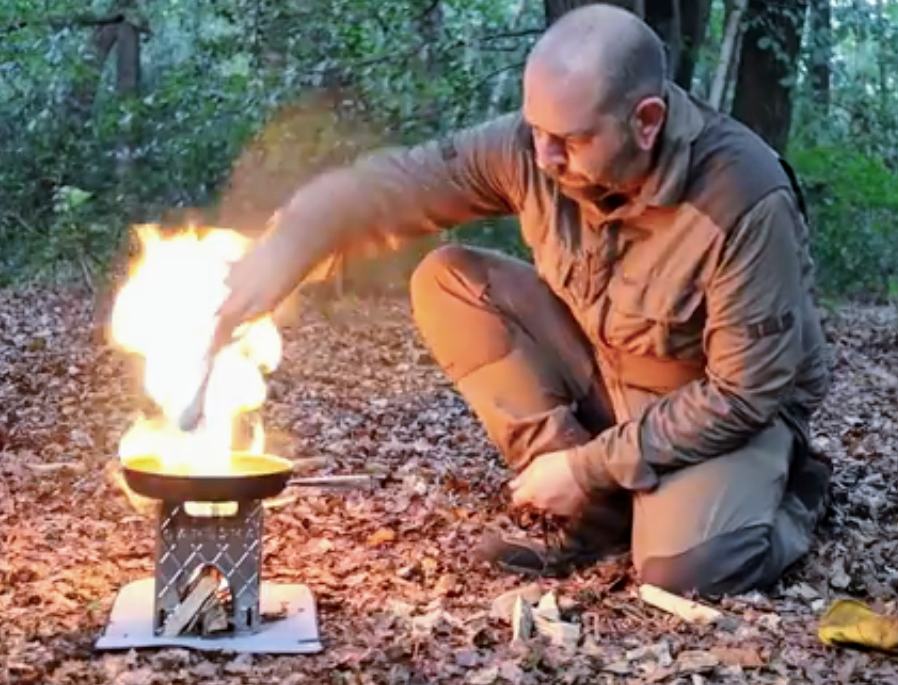
Andy likes fire. And bacon.
Tech Focus: No “Black Hands”
I may have tried more twig stove designs than most people. One common but unpleasant thing about most designs is that your hands get covered in soot, either assembling or disassembling them or both. So when I was designing the Ganesha stove, I wanted a way to avoid the “black hands” curse. By creating a folding stove that doesn’t need to be assembled - just popped open and closed like a book - I was able to keep any soot on the inside, where you never have to touch it. Even better, the groundcloth wraps around the stove and snaps shut. That way, any ash or soot on the groundcloth also stays on the inside. And finally, I include a Tyvek envelope with each stove, so you can be sure your pack stays clean. The Tyvek is also nice and slippery, so it’s easy to slide the closed-up package into your backpack.
Share Your Fire - #GaneshaStove
Have you taken your stove somewhere worth seeing? We feature reader photos in every issue. Tag us with #GaneshaStove on social media, or reply to this email with a photo and two sentences about where you were and what you were up to.
Click here to reply now: #GaneshaStove
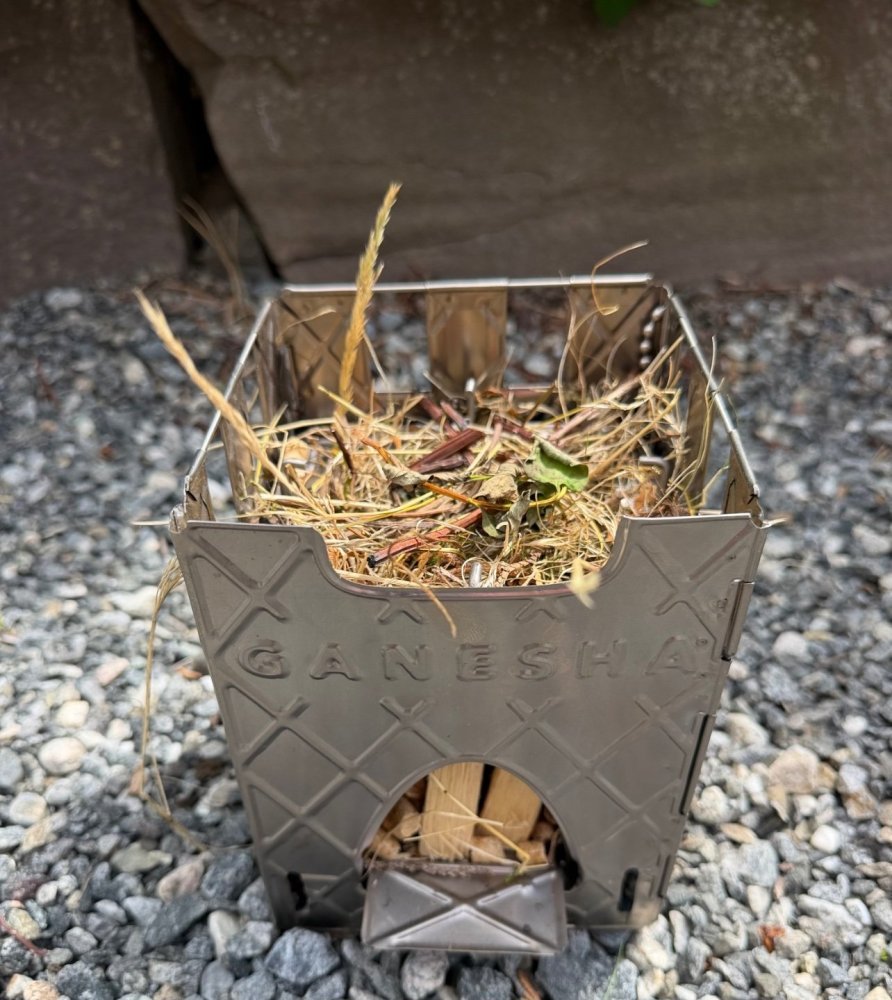
Thanks to subscriber Bjorn Simonson for this month’s photo, from Norway.
What to Read
Wind, Sand and Stars by Antoine de Saint-Exupéry. This delightful book, first published in 1939, tells the story of Saint-Exupéry’s years delivering mail by small airplane for Aéropostale, flying across the Sahara Desert, the Andes mountains, and the skies of Europe. Most harrowing is the account of crashing in the Libyan desert with his mechanic, and how they were able to survive.
"The glories of a mountain campfire are far greater than any may guess."
— John Muir, from his private journal
More info at ganeshastove.com. Use code DISPATCH10 for 10% off.